Lunar Reconnaissance Orbiter
Apollo Sites Revisited
Thursday, June 18, 2009
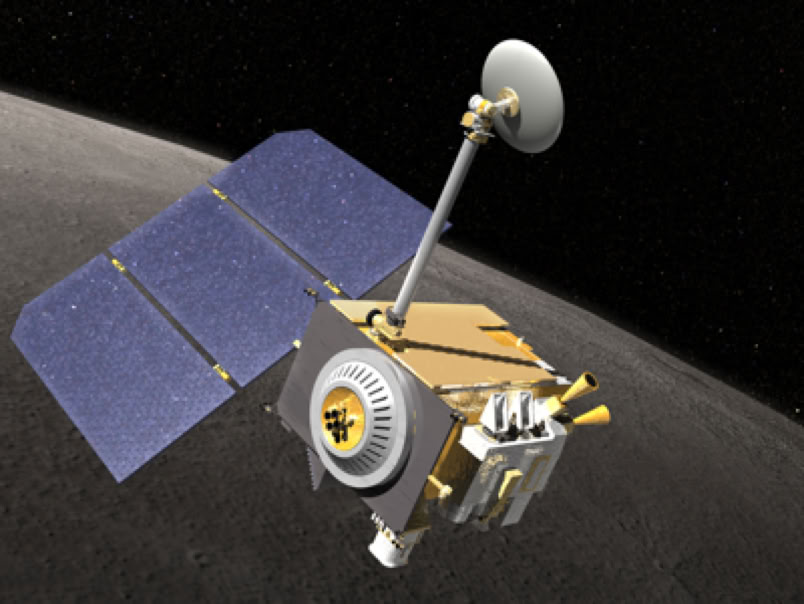
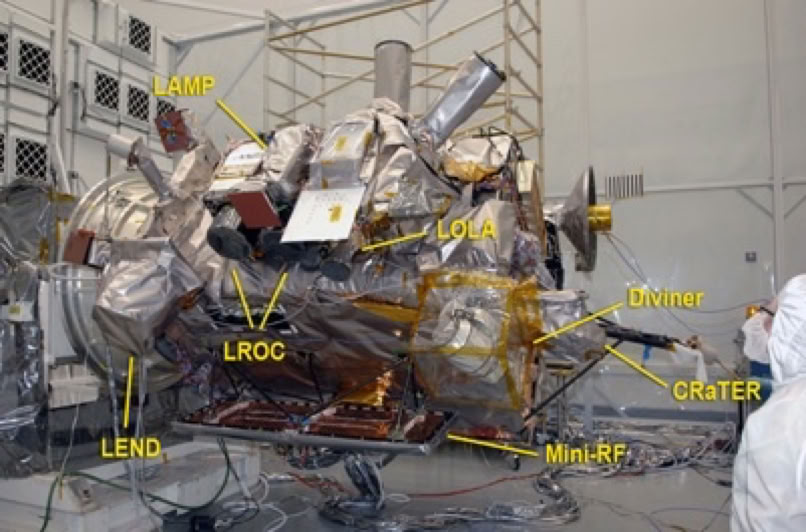
The Lunar Reconnaissance Orbiter, or LRO, launched on June 18, 2009 aboard an Atlas V from Launch Complex 41.

LRO has been orbiting the moon since then in an eccentric polar mapping orbit traveling at 1.6 km/s. That means its height varies between 50 and 200km from the lunar surface, so sometimes it gets a really close look at the moon where one pixel of its camera covers as little as 0.5 meters.
Of all the things it can see up close, the most interesting are the Apollo landing sites. It can clearly pick out the descent stage, or the landing legs, of the LMs that were left behind. It can even pick up the trails made by the astronauts footsteps.
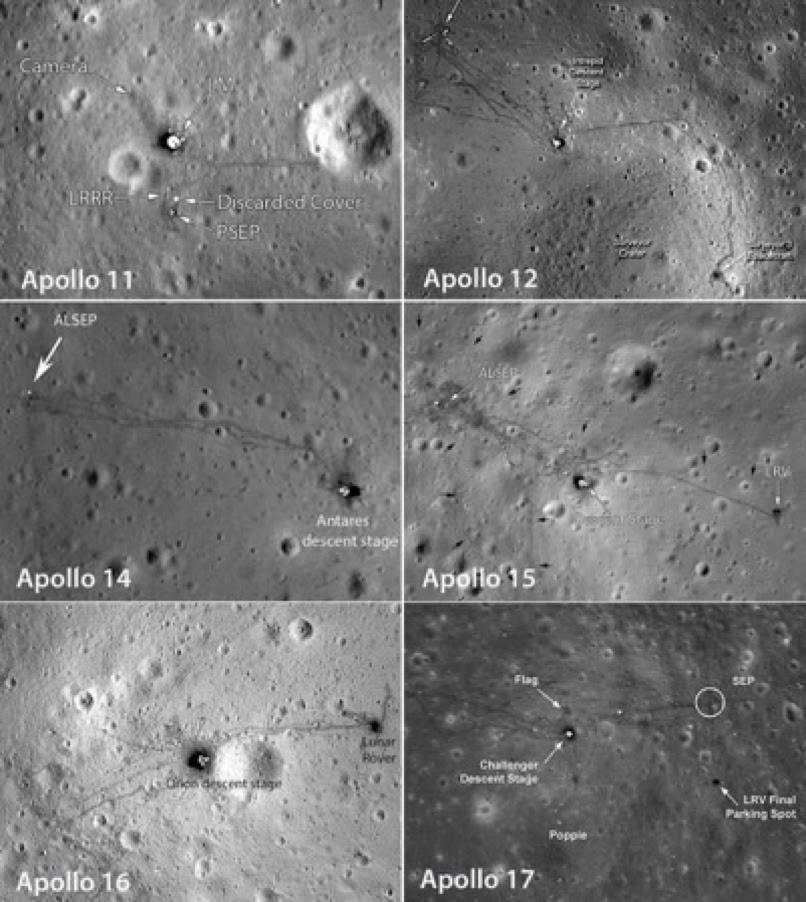
But LRO can see much more than just the landing sites... it can see the tracks made by the LRV during the later three missions and we can now map accurately where the astronauts went!
Apollo 15
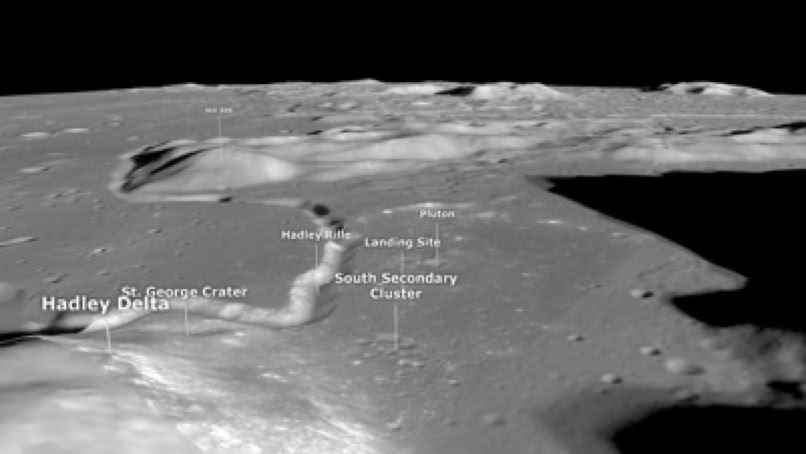
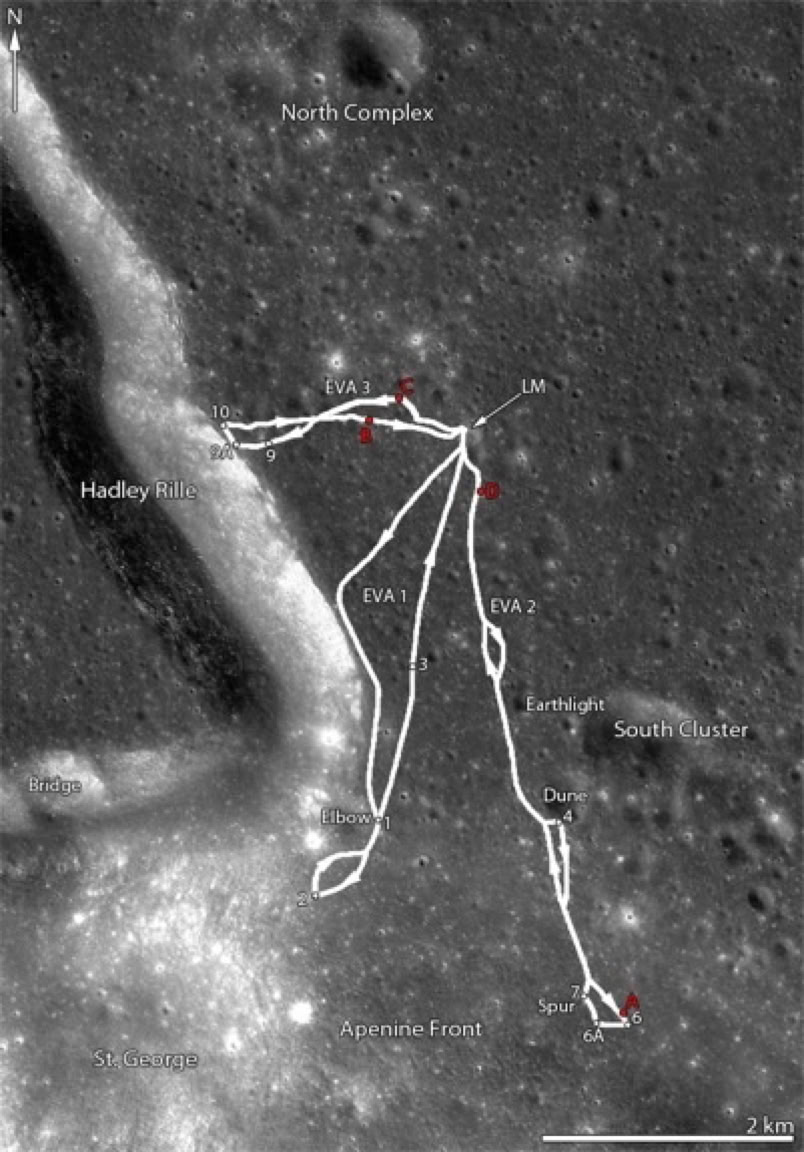
Apollo 15 was sent to sample Hadley Rille, a deep, long channel with mountains nearby. The early scouting of landing sites led to a sketch of what Apollo 15’s EVAs would look like.
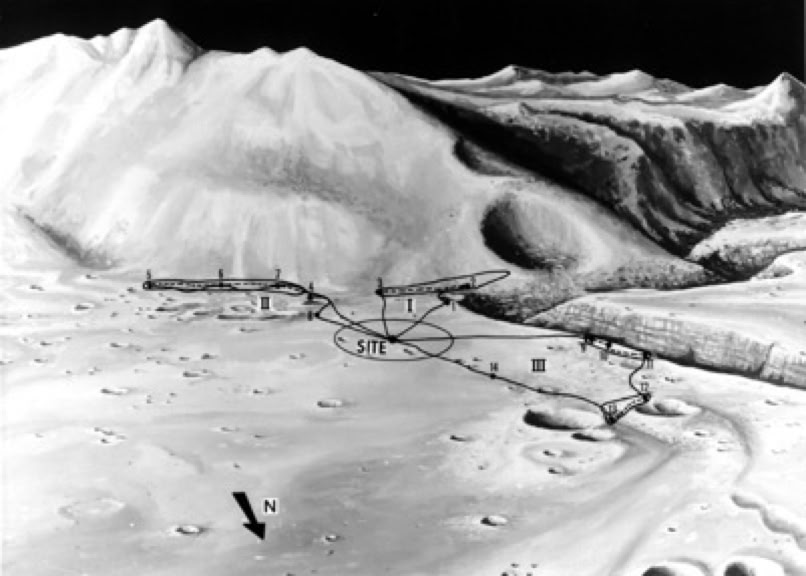
The LRO gave us the opportunity to check NASA’s work...
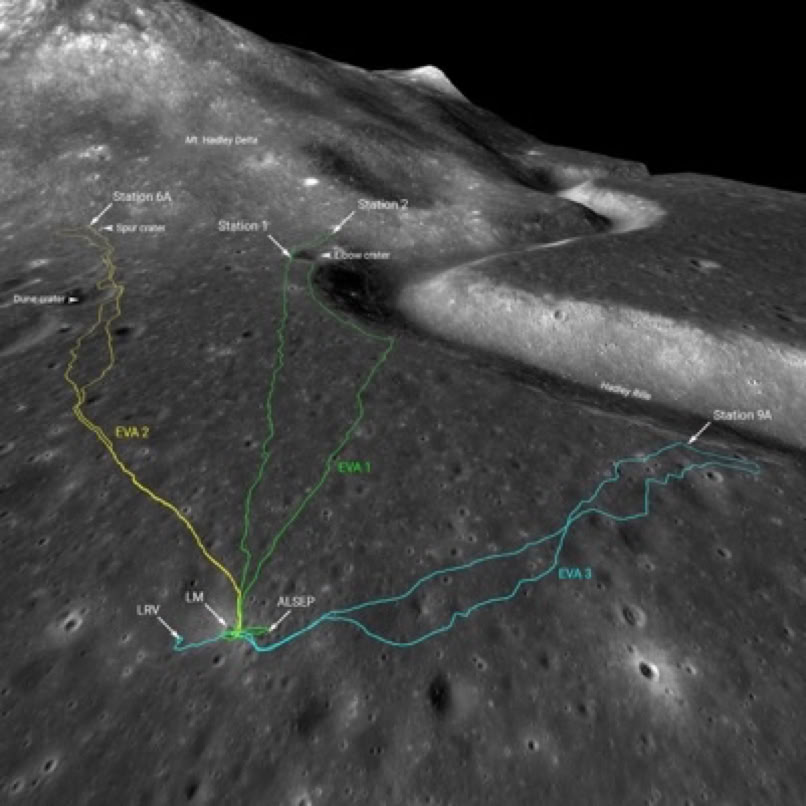
Apollo 16
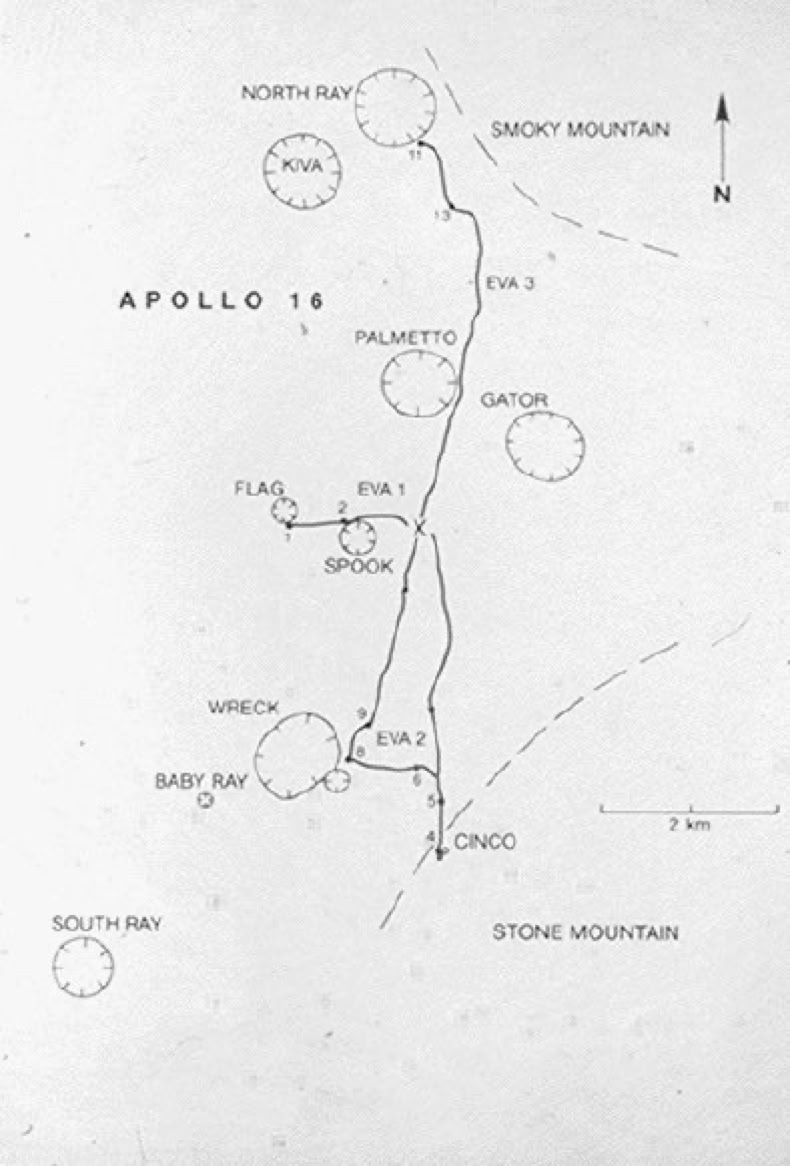
Similarly with Apollo 16, the EVAs were planned:
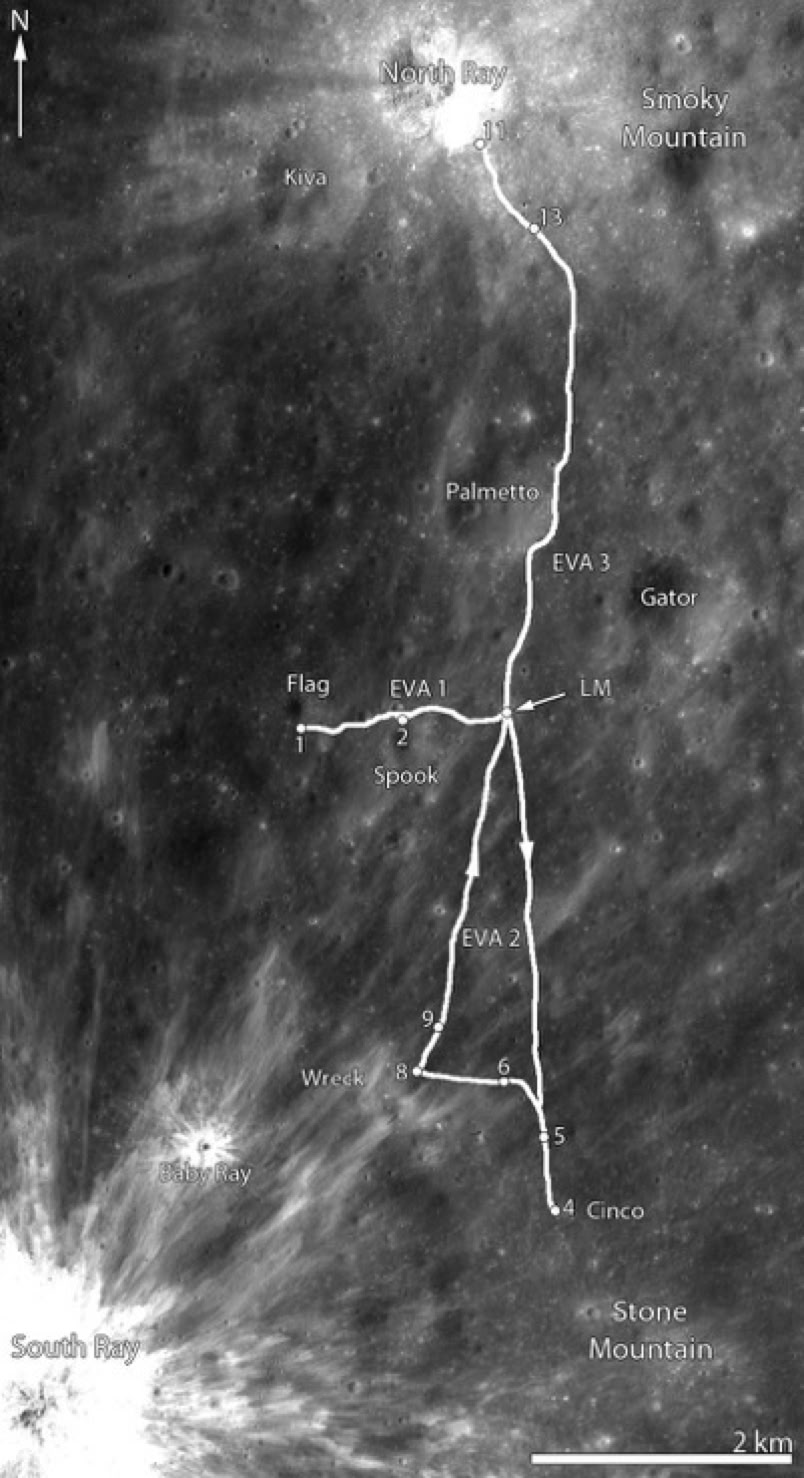
and LRO has photographed the astronauts’ tracks...
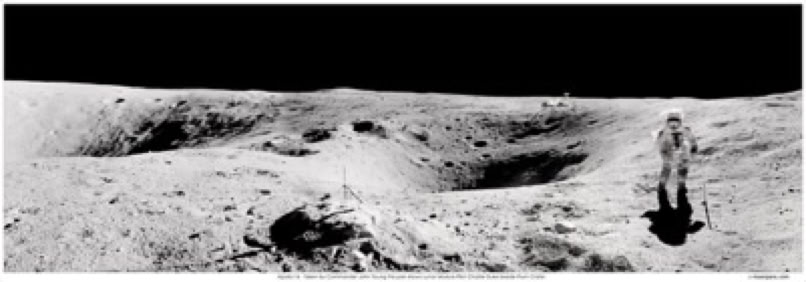
Here’s Charlie Duke at Plum Crater, close to Flag Crater on EVA 1:
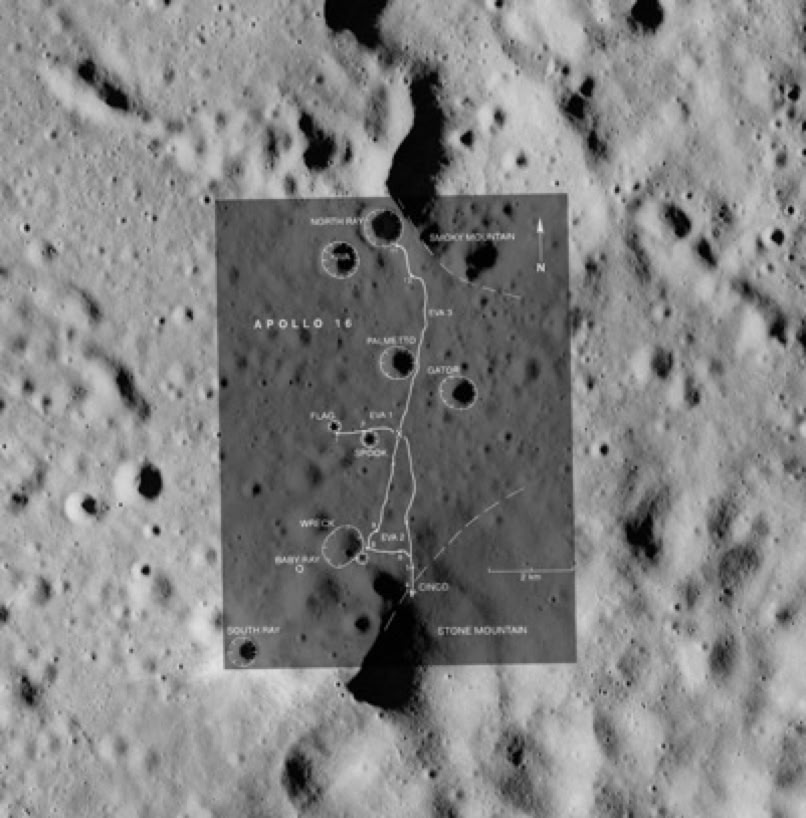
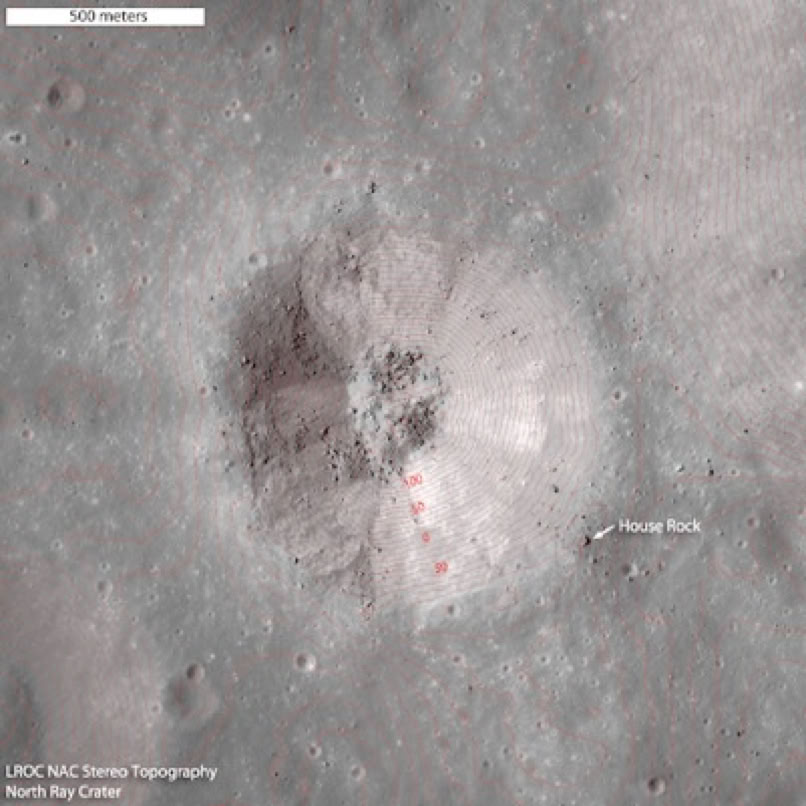
And here is North Ray crater taken from LRO showing House Rock (so named because it was the size of a house).
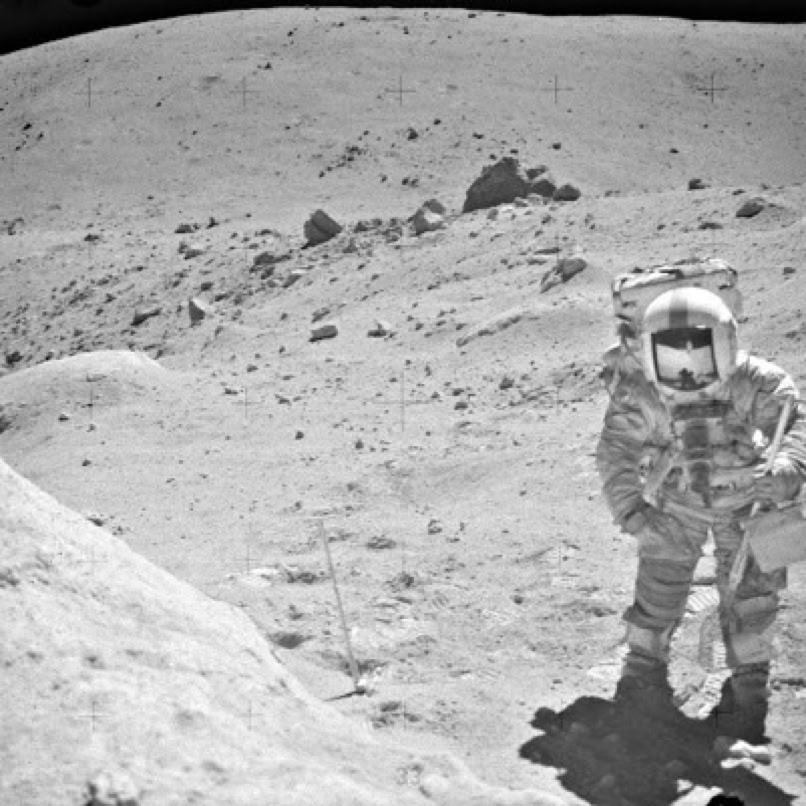
John Young at North Ray Crater with House Rock behind him:
Apollo 17
As I mentioned in another entry, Apollo 17 was sent to the Taurus-Littrow Valley where they sampled rocks from a landslide at southerly Station 2 caused by material ejected from crater Tycho that traveled over a thousand miles and landed near the Apollo 17 landing site.
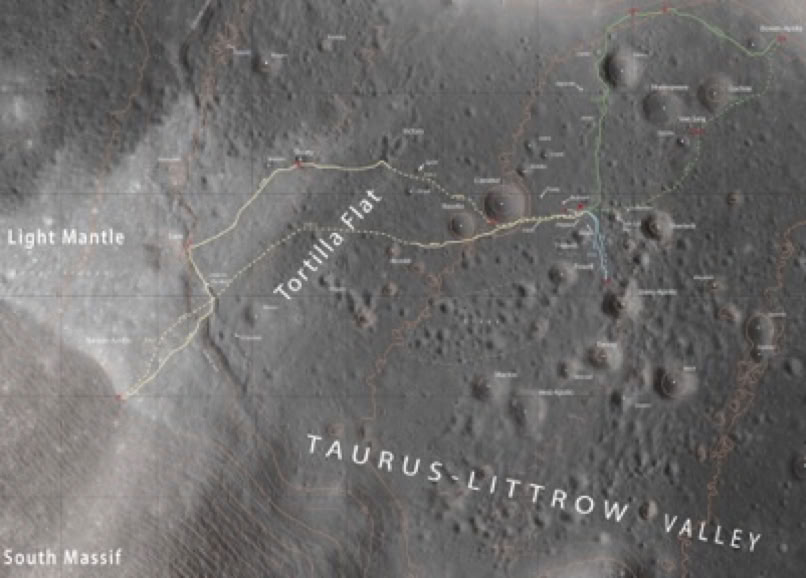
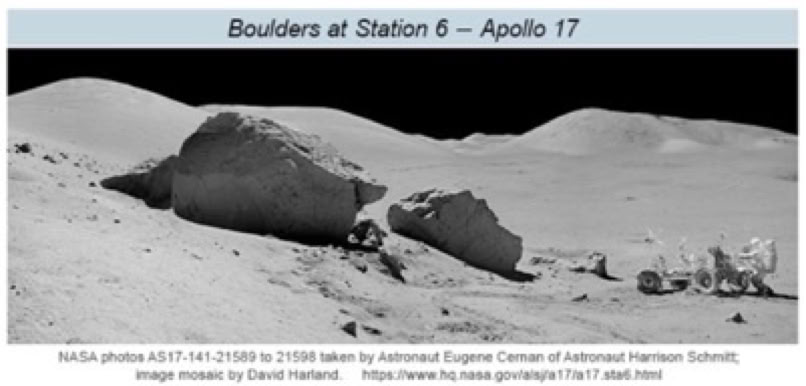
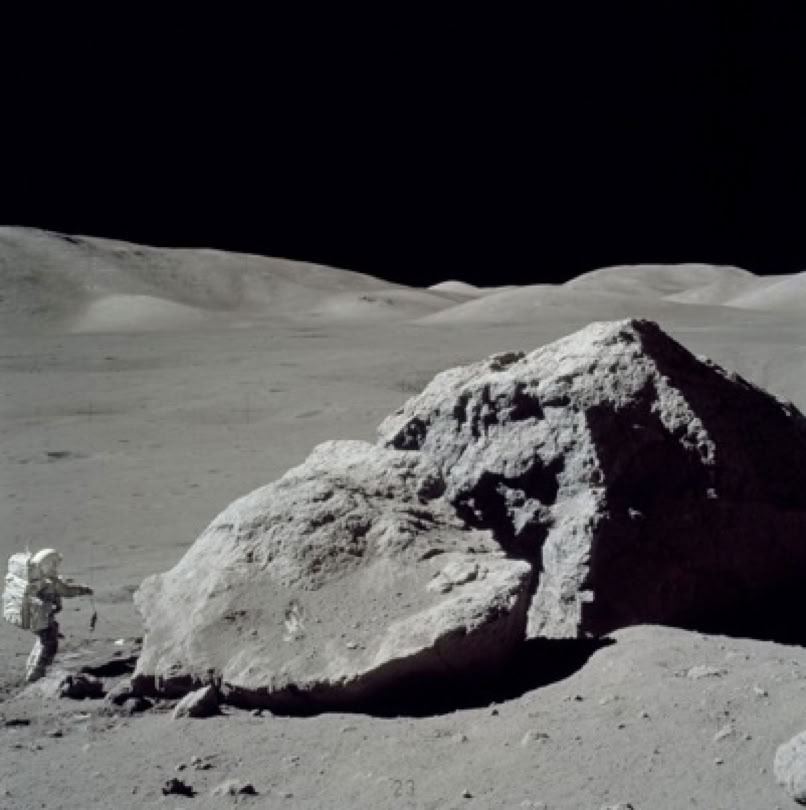
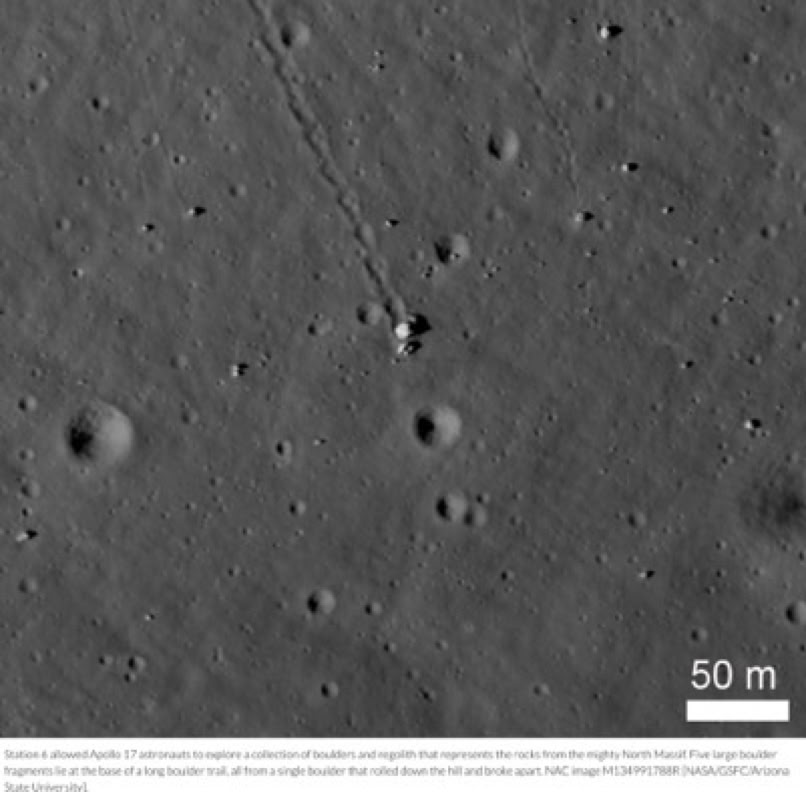
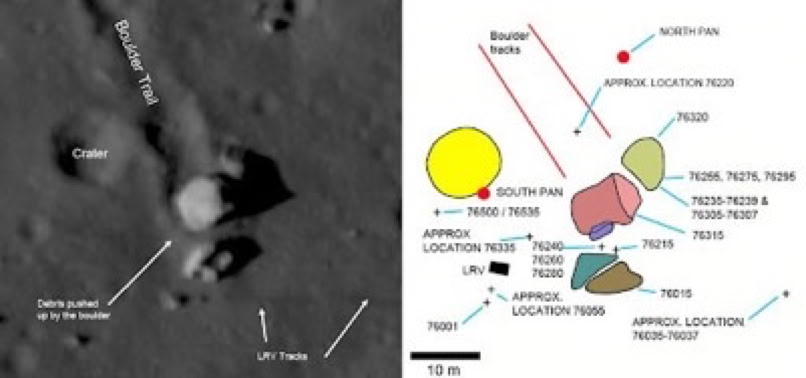
Station 6 is about as far north as the astronauts traveled. Here they found a huge boulder that had rolled down a 25° slope from a rock outcrop about 500 meters up the North Massif slope and broke apart at the bottom. The slope was too steep for the LRV to go any further, but LRO photographed the 20-million-year-old boulder track that Jack Schmitt stood in...
You can just make out the LRV tracks approaching the boulder from the south-east.
The LRO really has brought another dimension to what the Apollo photos already showed us from on the lunar surface.