Mouses
Not a Creature was Stirring
Wednesday, June 21, 1967
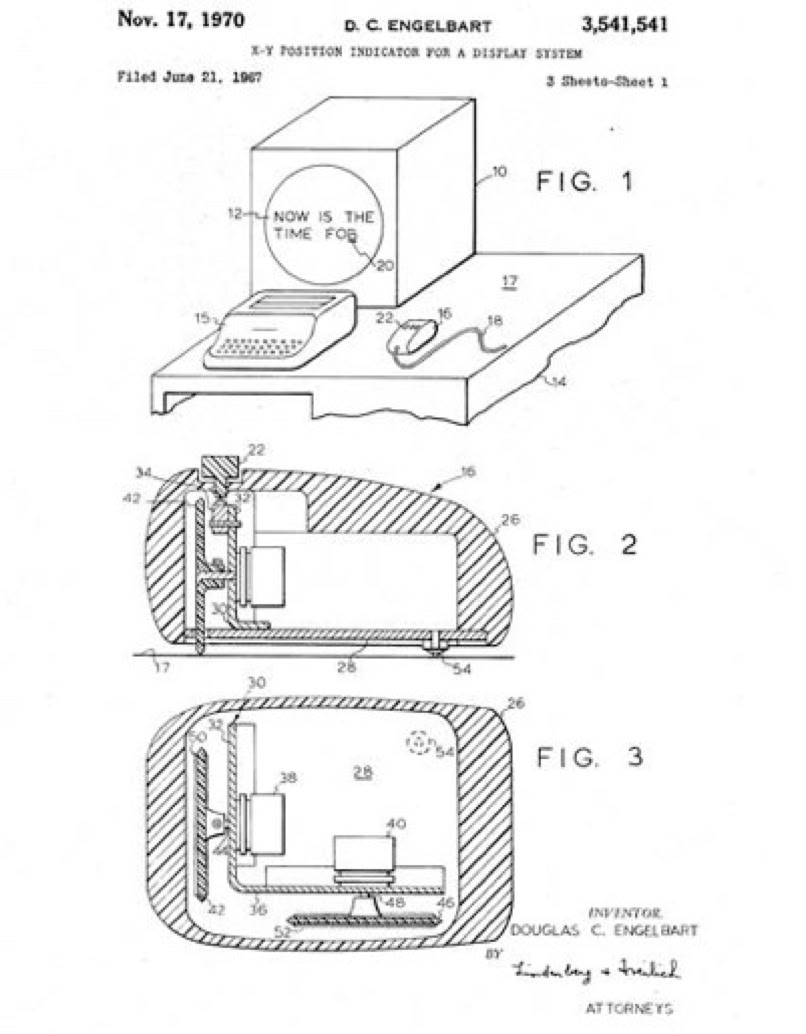
The mouse was reportedly conceived by Douglas Carl Engelbart of Stanford Research Institute during a conference lecture in 1961. He was exploring the interactions between humans and computers and came up with a design that used rolling wheels based on an area measuring device called a planimeter.
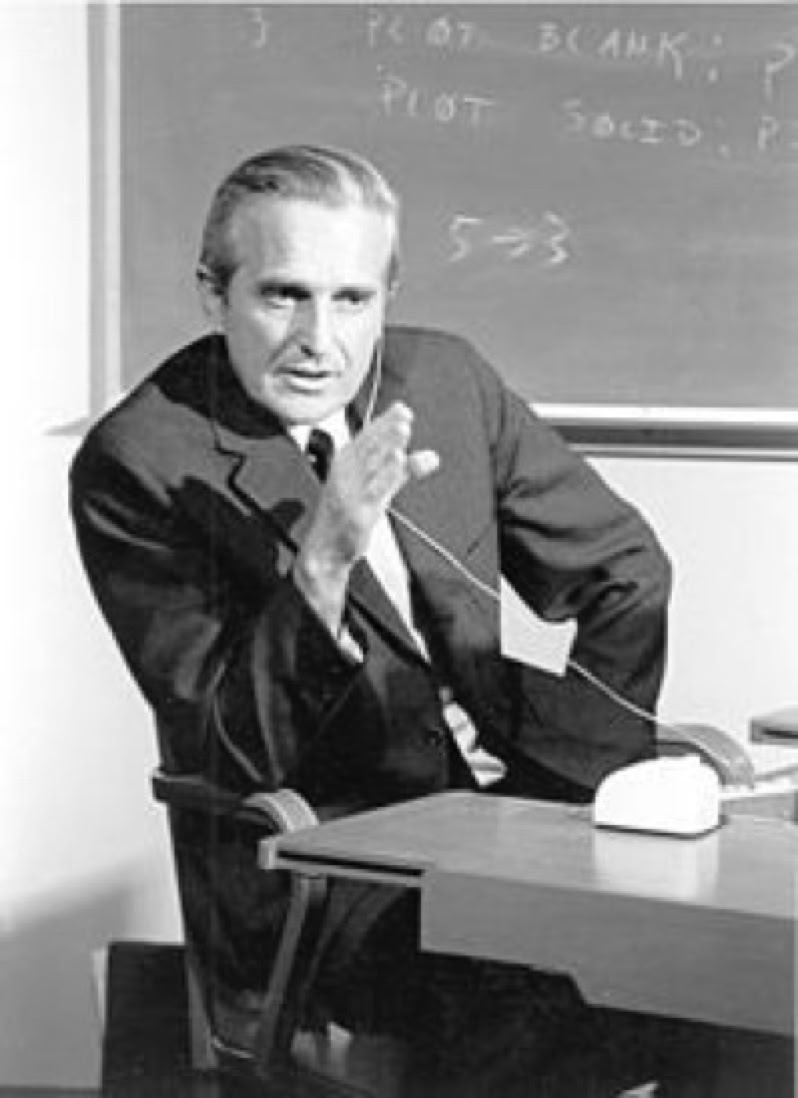
Doug Englebart (1925-2013)
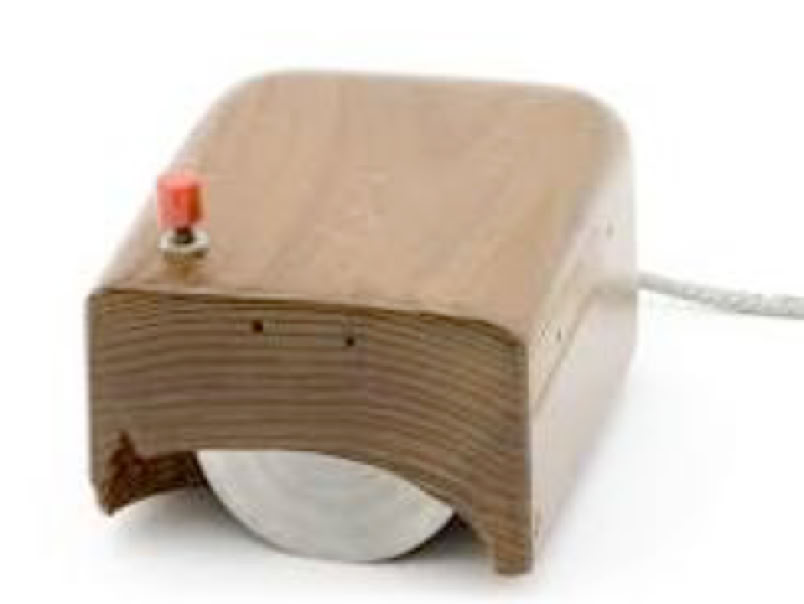
He built the first prototype in 1963. It was carved in wood and had one button.
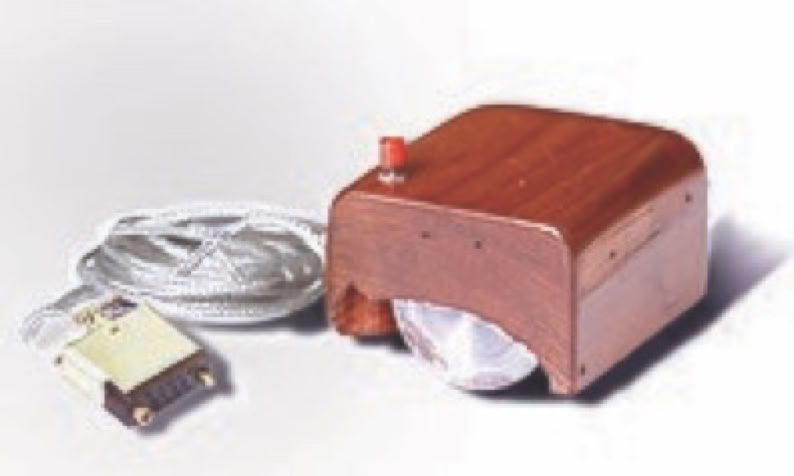
Doug Engelbart coined the nickname “mouse”, unsurprisingly, because the wire coming out the back was like a mouse’s tail. He also called the cursor on the screen a bug – but that was not widely adopted. Doug and his team at SRI also invented bit-mapped screens and hypertext, and he went on to work on the DARPA-funded ARPANET, the precursor of the internet.
The 1967 SRI patent application for the mouse describes it as a "X-Y position indicator for a display system", and it was granted in 1970.
Doug fell into obscurity in the computer world as early as 1970 because of his adherence to the notion of centralized, networked client-servers. The idea of decentralization was popular among younger researchers at a time when the possibility of the personal computer was barely on the horizon.
In 1979, when Xerox had built the Xerox Alto personal computer in their labs in Xerox PARC, Palo Alto, they used Engelbart’s idea to drive the cursor. Xerox’s mouse was smaller, and had three buttons, and used a ball bearing instead of wheels. Clicking an icon would open a menu that gave the available commands.

Steve Jobs bought himself a tour of Xerox PARC in 1979 (in a deal where Xerox paid a million dollars for 100,000 Apple shares, a year before the Apple IPO). Jobs was given a demo of the Xerox Alto working, he saw Larry Tesler sending e-mails on the Xerox Ethernet, he saw windows being used to switch between applications, and he saw an elegant word processor being used... all driven by the $300 Xerox version of the mouse.

Jobs went back to Apple and demanded that the Apple engineers create a machine with on screen menus, windows and a mouse to drive it.
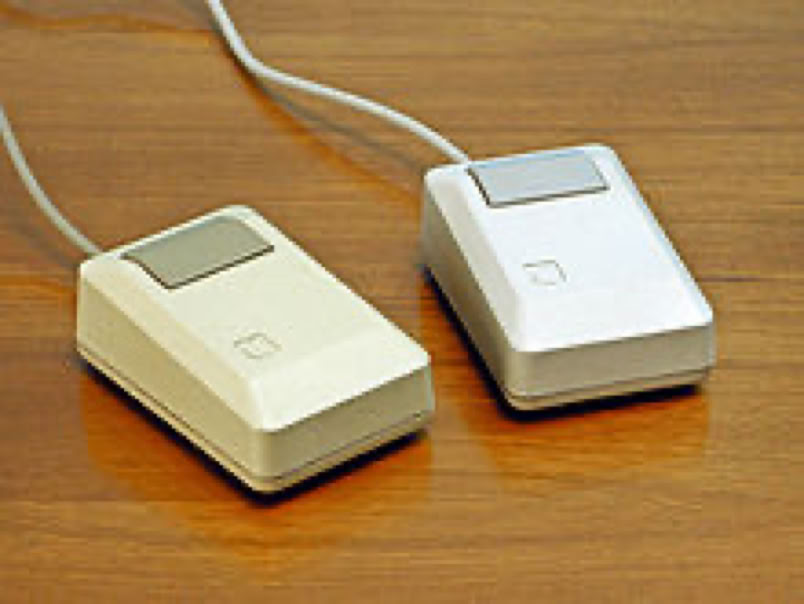
Dean Hovey was contracted to create a simple mouse that cost no more than $15, and it had to have a single button. The problem Hovey found was that the friction inside the mouse was greater than the friction with the table top and so the mouse would skip. It was also very prone to the effects of dust. Hovey worked on the design of the mouse, creating a version where a plastic ball met very little friction inside the mouse.
Meanwhile, the Apple engineers worked on having the mouse interact directly with the windows on the screen, instead of just opening a menu. With the Apple, the mouse could be used to click and drag, to move or resize a window, much as we still do now. The result was the Apple Macintosh.
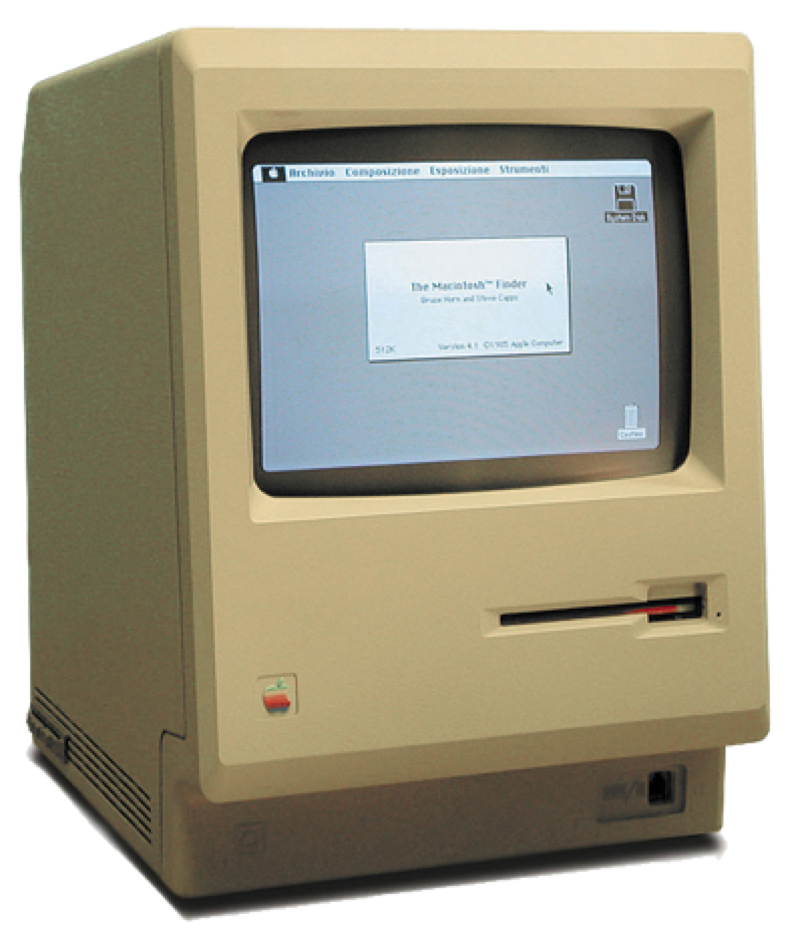
SRI licensed the mouse patent to Apple in the early 80’s for about $40,000. Doug never received any royalties for the invention.